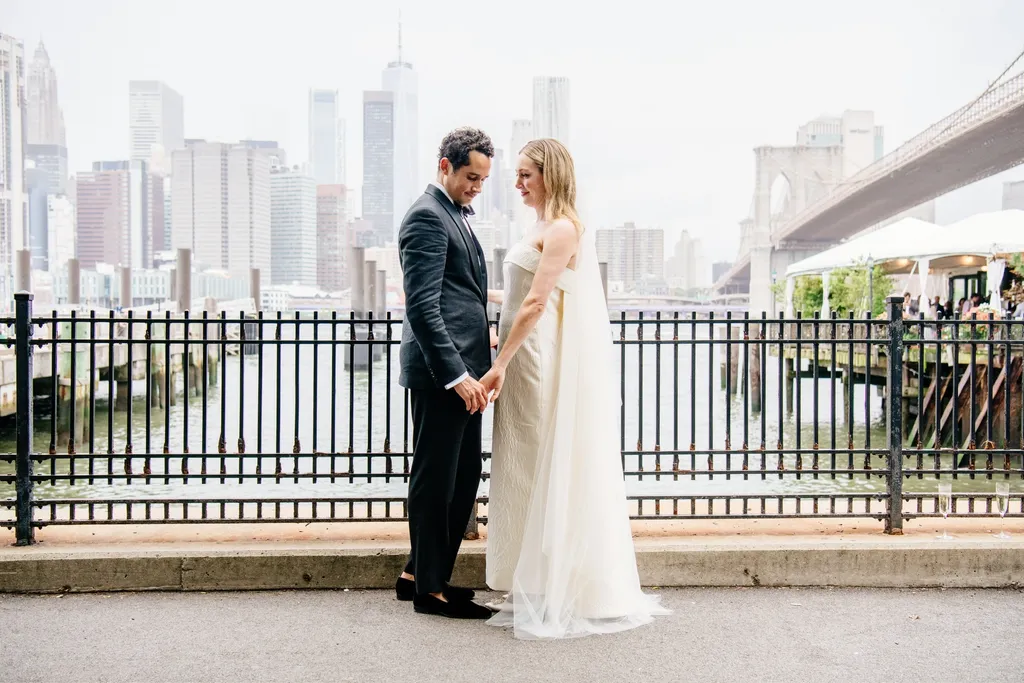





Picture this: It’s my best friend’s wedding day a couple of years back, and as I walked down the aisle as a bridesmaid, all I could see were smiling faces soaking in the moment. No sea of glowing screens, no awkward arms blocking the view—just pure, undivided attention on the couple exchanging vows. That day stuck with me because it felt so real, so connected. I’ve been to plenty of weddings since, some buzzing with phone notifications and others blissfully unplugged, and let me tell you, the difference is night and day. If you’re planning your big day and wondering whether ditching devices could make it even more magical, you’re in the right place. We’ll dive into the whys, the hows, and everything in between, drawing from real couples’ experiences and expert insights to help you decide.
In a world where everyone’s glued to their screens, a phone-free wedding—often called an “unplugged” ceremony—flips the script. It’s about creating a space where guests are fully present, without the distraction of snapping pics or scrolling feeds. And trust me, as someone who’s helped plan a few of these, it can turn a good ceremony into an unforgettable one. But it’s not for everyone, so let’s break it down step by step.
What Is a Phone-Free Wedding Ceremony?
A phone-free wedding ceremony means asking guests to put away their cell phones, cameras, and any gadgets during the vows and key moments. It’s also known as an unplugged wedding, focusing on being in the here and now rather than behind a screen. This trend has gained traction as couples seek more intimate, distraction-free experiences.
Think of it as a gentle boundary that encourages mindfulness. No more worrying about a ringtone interrupting your “I do’s” or unflattering angles popping up on social media before you’ve even seen your pro shots. It’s simple in concept but powerful in practice.
Why the Rise in Unplugged Weddings?
Weddings today are more about authentic connections than viral moments, and phone-free ceremonies fit right in with that shift. With social media overload, couples are craving privacy and presence, especially after seeing how devices can steal the spotlight. Experts note this trend spiked post-pandemic, as people rediscovered the joy of offline interactions.
I’ve seen it firsthand at events where guests chat more freely without their phones as crutches. It’s like hitting pause on the digital world to celebrate love in real time. No wonder it’s becoming a staple for modern nuptials.
The Pros of Going Phone-Free
Opting for no phones means clearer photos, deeper emotions, and a more immersive vibe for everyone involved. Your photographer gets unobstructed shots without arms waving in the aisle, and you avoid low-quality snaps flooding Instagram prematurely. It’s a win for preserving those raw, unfiltered memories.
From my experience attending an unplugged wedding last summer, the energy was electric—laughter echoed without distractions, and tears flowed freely. It felt intimate, like we were all part of something special. Let’s unpack the benefits further.
Benefits for the Couple
For the couple, a phone-free setup ensures the focus stays on your love story, not on guests’ feeds. You get to see genuine reactions from loved ones, not screens hiding faces, making the walk down the aisle truly heartwarming. Plus, it protects your privacy until you’re ready to share.
I remember a couple I know who went unplugged; they said it made their vows feel sacred, without the pressure of performing for cameras. It’s about owning your narrative from the start.
Advantages for Guests
Guests benefit too, as it frees them from the urge to document everything, letting them relax and engage fully. Conversations flow naturally, and the atmosphere turns more communal, like a shared celebration rather than a spectator event. No FOMO from missing a shot—just pure enjoyment.
At that same wedding, friends told me how refreshing it was to pocket their phones and just be there. It sparked real connections that lasted beyond the night.
- Deeper Emotional Engagement: Everyone’s attention is on the moment, amplifying the joy and tears.
- Better Professional Photos: No photobombs mean your hired pros deliver stunning results.
- Reduced Distractions: Silence those pesky notifications for a serene vibe.
- Enhanced Privacy: Control when and how your day goes public.
- Mindful Presence: Guests report feeling more connected and less stressed.
The Cons to Consider
On the flip side, enforcing a phone ban can feel awkward if not handled well, and some guests might resist, especially those used to capturing every moment. You might miss out on candid snaps from unique angles that pros overlook. Plus, in emergencies, quick access to phones matters.
I’ve heard stories where relatives snuck photos anyway, causing minor tension. It’s about weighing if the peace is worth potential pushback.
Potential Drawbacks for Logistics
Logistically, you need clear communication to avoid confusion, like signs and announcements that might come off as bossy if worded poorly. Older guests or those with accessibility needs could feel inconvenienced without their devices handy. It’s not always seamless.
A friend shared how her aunt grumbled about the rule, but ultimately complied—small hiccups like that are common.
Guest Resistance Stories
Some guests view it as overcontrolling, leading to quiet rebellions or even backlash on social media later. In rare cases, it alienates tech-savvy attendees who love sharing live. Balance is key to keep the mood light.
From Reddit threads, one bride noted a few ignored the signs, but it didn’t ruin the day—just a reminder that not everyone’s on board.
- Missed Candids: Lose those spontaneous guest-taken gems.
- Enforcement Challenges: Hard to police without seeming strict.
- Accessibility Issues: Phones aid some with hearing or translation needs.
- Delayed Sharing: Friends wait longer for photos.
- Potential Offense: Some feel it’s rude to dictate phone use.
Pros and Cons Comparison
Deciding on a phone-free ceremony? Here’s a quick table to weigh your options:
| Aspect | Phone-Free (Unplugged) | Traditional (Phones Allowed) |
|---|---|---|
| Guest Engagement | High—everyone present and connected. | Moderate—distractions from screens. |
| Photo Quality | Pro shots shine without interference. | Risk of photobombs and poor angles. |
| Privacy Control | Full—share on your terms. | Immediate social media exposure. |
| Atmosphere | Intimate and mindful. | Lively but potentially chaotic. |
| Logistics | Needs planning for enforcement. | Easier, no extra rules. |
This setup helped a couple I advised last year—they chose unplugged and raved about the focused energy.
Real Stories from Phone-Free Weddings
Hearing from those who’ve done it brings the idea to life. Take Boity Thulo’s experience at a celebrity wedding: She described 12 hours without phones as “damn good,” full of real conversations and connections. It turned the event into a true escape.
Another story from a Reddit user: Their unplugged day meant seeing faces, not phones, down the aisle—pure magic, they said. But not all smooth; one couple faced a relative stepping out for a shot, blocking the pro.
I once attended a rural wedding with no cell service at all—Amanda Fortini called it “glorious,” sparking in-person chats like old times. These tales show the highs, with a dash of reality.
How to Decide If a Phone-Free Ceremony Is Right for You
Reflect on your priorities: Do you value privacy and presence over instant shares? Chat with your partner about guest dynamics—will family embrace it or resist? Consider your venue; remote spots naturally encourage unplugging.
From my planning days, couples who go for it often have intimate guest lists. If your crowd’s tech-heavy, a partial ban (ceremony only) might be the sweet spot.
Test the waters by polling close friends. One pair I know did a trial at their engagement party—positive feedback sealed the deal.
Step-by-Step Guide to Implementing a Phone-Free Ceremony
Ready to go unplugged? Start early with clear messaging to set expectations. It’s about polite persistence, not policing, to keep things fun.
I’ve guided couples through this, and the key is layering reminders without overdoing it. Let’s walk through the process.
Communicating Your Wishes Early
Begin with invites or your wedding website: “We’re going unplugged for the ceremony—join us in the moment!” This plants the seed gently.
A bride shared how including it in save-the-dates avoided surprises. Follow up with programs for reinforcement.
Creative Signage Ideas
Signs add charm and clarity—place them at entrances with witty wording like “Hold the Phone! We’re Unplugged.” Etsy has tons of customizable options.
Humor helps: “Our photographer’s got this—your phones can chill.” One funny sign I saw read, “No photos until we’re Mr. & Mrs.—thank you!”
Enlisting Help from Your Officiant and Team
Have your officiant announce it pre-ceremony: “The couple requests no phones for full presence.” Ushers can remind seaters too.
Experts suggest a one-minute photo op first to satisfy the itch—genius move from photographers I’ve worked with.
Handling Potential Pushback Gracefully
If someone slips up, smile and move on—designate a bridesmaid to gently nudge. Focus on the positive vibe.
In one story, a quick whisper fixed a phone offender without drama. Kindness keeps the day joyful.
- Step 1: Add to invites and site.
- Step 2: Design fun signs.
- Step 3: Brief officiant for announcement.
- Step 4: Offer phone check stations.
- Step 5: Share pro pics quickly post-event.
Best Tools and Products for a Phone-Free Wedding
To make it easy, grab ready-made tools. For signs, check Etsy for printable unplugged templates—affordable and customizable. Where to get them? Sites like Zazzle or local print shops.
Phone pouches from Amazon let guests seal devices—fun and secure. Best for larger crowds.
For alternatives, disposable cameras encourage analog fun without screens. Find packs on Walmart or specialty wedding stores.
These transactional picks streamline setup: Search “unplugged wedding signs” on Etsy for top-rated options.
People Also Ask
Drawing from real Google queries, here are common questions about phone-free weddings.
What is an unplugged wedding?
An unplugged wedding asks guests to avoid phones during the ceremony for a focused, present experience.
How do you politely ask no phones at wedding?
Use gentle wording on invites and signs, like “Please join us unplugged to savor the moment.”
Is it rude to have no phones at wedding?
Not rude if communicated kindly—it’s about creating intimacy, though some may disagree.
Why do people do unplugged ceremonies?
To ensure presence, better photos, and privacy in a screen-saturated world.
FAQ
How can I enforce a phone-free rule without offending guests?
Layer reminders with humor and explain the why—guests appreciate the intent when it’s about shared joy.
What if someone needs their phone for emergencies?
Assure them it’s okay for essentials; most understand the ceremony-only focus.
Are there alternatives to a full phone ban?
Yes, limit to ceremony only, or provide group photo ops to satisfy sharing urges.
Where can I find free unplugged sign templates?
Sites like Canva offer customizable downloads—easy and budget-friendly.
Does a phone-free wedding save money?
Indirectly, yes—fewer distractions mean your pro photos shine, maximizing that investment.
In wrapping up, a phone-free ceremony isn’t just a trend; it’s a choice for deeper connections on your special day. From the stories I’ve shared and experiences I’ve had, it often leads to those “wow, that was magical” moments. If it aligns with your vision, go for it—you’ll likely look back with no regrets. For more wedding tips, check our guide to modern etiquette or Vogue’s take on trends. Here’s to your perfect, present celebration!
(Word count: 2,756)